
Is Dental Oral Surgery Safe for Older Patients?
Your mom needs a tooth extraction, and your dad’s dentist recommended dental oral surgery in Houston. Now, you’re wondering if it’s safe at their age. You’re asking the right questions. Age does change how the body responds to procedures, but that doesn’t mean dental oral surgery becomes unsafe. It just means your Houston dental team needs to plan carefully.
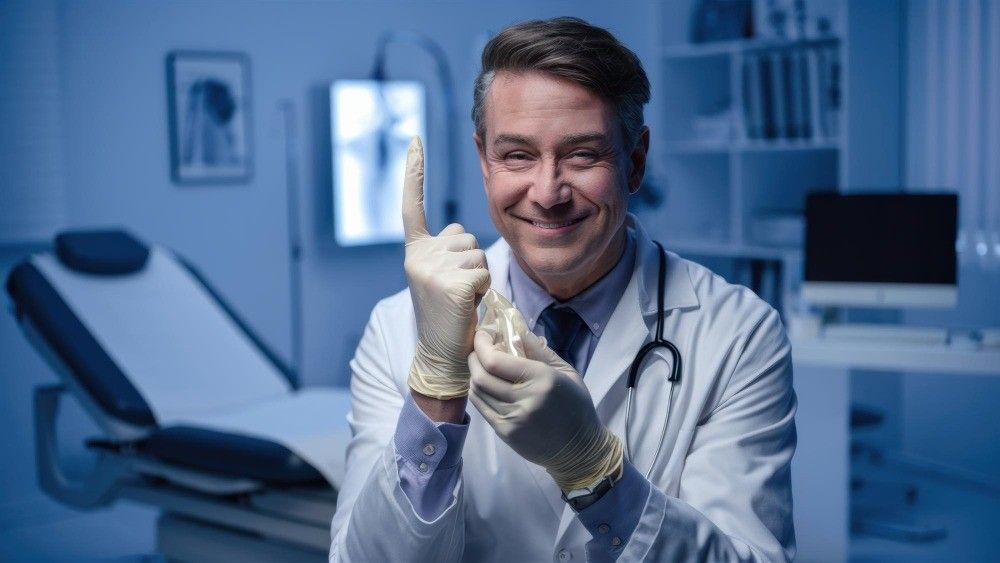
Yes, Dental Surgery Is Safe for Older Adults with Proper Planning.
Dental oral surgery is generally safe for older adults when dentists take the right precautions. Your dentist will evaluate overall health, current medications, and specific risk factors before recommending any procedure.
According to the National Center for Health Statistics, 63.7% of adults age 65 and older visit a dentist in a year. The key lies in thorough planning and monitoring.
What Makes Older Patients Different for Dental Surgeries
Bodies change with age, healing takes longer, and bones become less dense due to which medical conditions add complexity.
Your dentist practicing geriatric dentistry understands these differences. They adjust their approach based on each patient’s unique situation.
Older patients often take multiple medications. Blood thinners, diabetes medications, and blood pressure drugs all affect surgical planning. Your Houston oral surgeon needs a complete medication list before scheduling anything.
Conditions like osteoporosis can affect jaw healing after extractions. Heart disease changes how your body handles stress during procedures. These factors matter, but they don’t automatically disqualify someone from needed dental treatment.
Common Tooth Extraction Risks Elderly Patients Should Know
Let’s talk about what can go wrong so you can watch for warning signs.
Delayed healing. Older bodies repair tissue more slowly. What takes a week in a younger patient might take two weeks in an older adult.
Dry socket. This painful condition happens when the blood clot comes out too early. Seniors face slightly higher risks, especially if they smoke.
Infection. A weakened immune system increases infection risk. Your surgeon will likely prescribe antibiotics as a preventive measure.
Jaw fracture. This is rare but more common in patients with severe osteoporosis. Your dentist will spot this risk during X-rays and plan accordingly.
Excessive bleeding. Blood thinners make this more likely. Your doctor might adjust your medication temporarily before surgery.
Dental Anesthesia Safety for Seniors
Anesthesia worries many families, and that concern makes sense. But dental anesthesia safety has improved dramatically in recent years.
Most dental oral surgical procedures use local anesthesia only. This numbs the specific area without affecting your overall consciousness. It’s the same numbness you get for a filling, just in a larger area.
For more complex procedures, your surgeon might recommend sedation. IV sedation or general anesthesia requires more monitoring but remains safe when an experienced team handles it.
Your anesthesiologist will review your medical history carefully. They’ll ask about heart conditions, breathing problems, and medication allergies. They monitor vital signs throughout the entire procedure.
How Geriatric Dentistry Reduces Risks
Dentists who specialize in geriatric dentistry take extra steps to protect older patients.
They schedule longer appointments. Rushing increases mistakes and stress. Your surgeon will give your loved one plenty of time to ask questions and rest between steps.
They coordinate with other doctors. Your oral surgeon should communicate with your primary care physician and cardiologist if needed. This team approach catches potential problems early.
They modify techniques. Gentler extraction methods, smaller incisions, and careful handling of fragile bone all reduce complications.
They plan for recovery. Older patients need clearer aftercare instructions and sometimes extra follow-up appointments.
Questions to Ask Before Surgery
Don’t leave the consultation without asking these questions:
What are the specific risks for my loved one’s health conditions? Get personalized answers, not general statistics.
How will you manage their current medications? Some need adjustment, others don’t.
What type of anesthesia do you recommend and why? Understand the reasoning behind the choice.
What happens if complications occur? Know the emergency plan ahead of time.
How long will recovery take realistically? Plan for the worst-case timeline, not the best-case.
Making the Decision
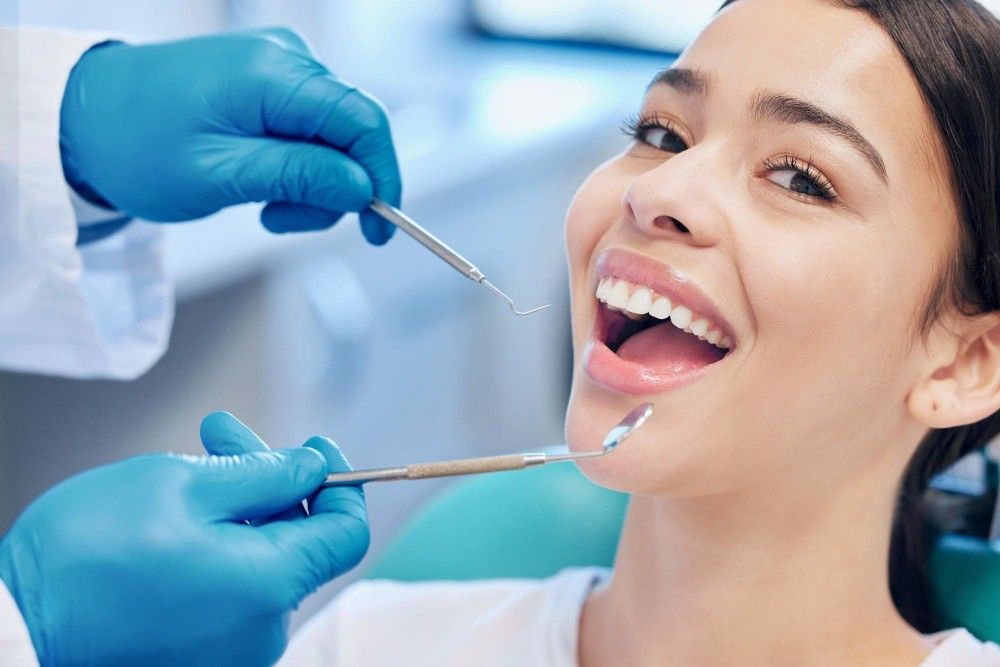
Sometimes dental oral surgery in Houston isn’t optional. An infected tooth won’t heal on its own. An impacted wisdom tooth will only cause more problems.
The risks of delaying necessary treatment often exceed the risks of the procedure itself. Untreated dental infections can spread to other parts of the body, creating life-threatening situations.
Your Houston dental surgeon at All Stars Dental can walk you through the specific risk-benefit analysis for your situation. They’ll help you make an informed choice based on facts, not fear.
Age alone shouldn’t determine whether someone gets needed dental care. Health status, functional ability, and quality of life matter more than the number of birthdays someone has celebrated.
FAQs
How long should an older adult wait between multiple tooth extractions?
Most dentists recommend spacing major extractions from a few weeks to a couple of months apart for older patients. This gives the body adequate time to heal before starting the next procedure.
Can someone with dementia safely undergo dental oral surgery?
Yes, but it requires extra planning. The dental team needs to understand the patient’s cognitive status and may recommend sedation to reduce anxiety and ensure the patient remains still during the procedure.
Are same-day dental implants safe for patients over 70?
Same-day implants can be safe for healthy older adults with good bone density. However, traditional staged implants often work better for seniors because they allow more healing time between steps.