
Dental Oral Surgery: What It Involves and When It Actually Becomes Necessary
Most people don’t wake up thinking about dental oral surgery. It usually enters the picture after weeks of discomfort, a swollen gum that keeps flaring up, or a wisdom tooth that never quite came in right. Even then, many hope it will calm down on its own.
The truth is, problems that require dental oral surgery usually sit below the surface. Infection can travel into bone without dramatic pain at first. Impacted wisdom teeth can press quietly against neighboring molars for months. Bone loss can progress slowly until chewing starts to feel different.
That’s why understanding what’s happening inside the mouth matters more than reacting to pain alone.
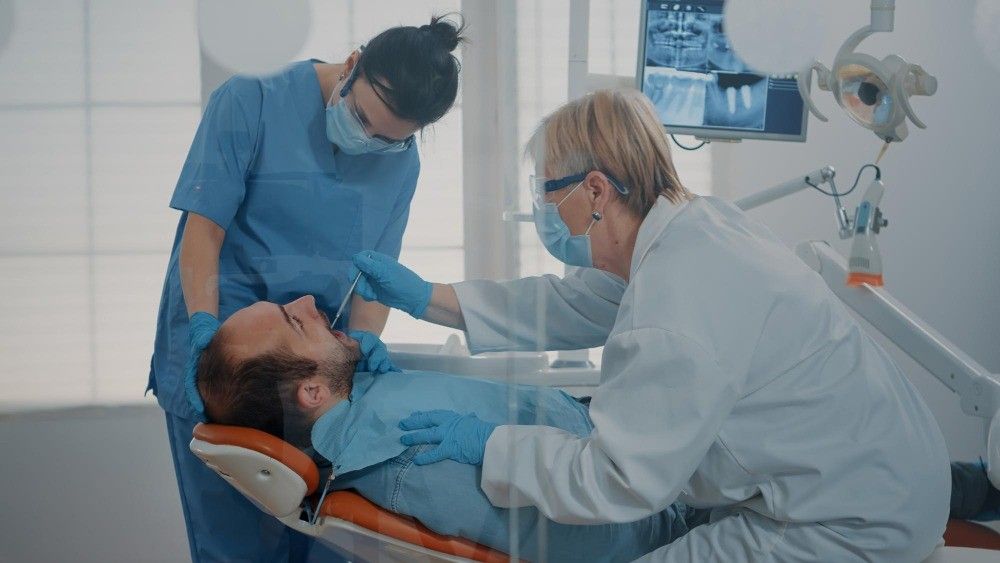
When Does Dental Oral Surgery Become the Right Step?
Not every dental issue needs surgery. A cavity needs a filling. A mild infection may respond to a root canal. But once damage moves into the jawbone or compromises the structure of the tooth entirely, regular treatment is no longer enough.
Dentists commonly recommend dental oral surgery for:
- Impacted wisdom teeth that cannot erupt properly.
- Deep infections that spread beyond the tooth root.
- Teeth that are fractured below the gumline.
- Bone loss that affects stability.
- Severe crowding that causes long-term pressure.
Sometimes patients notice swelling that comes and goes. Others feel pressure while chewing or tightness when opening their mouth. Imaging frequently shows more than symptoms would indicate. A 3D scan can show bone involvement long before pain becomes intense.
Waiting rarely improves structural issues. In fact, delay usually makes treatment more involved later.
What Happens During the Appointment?
The first step isn’t the procedure. It’s the conversation.
A proper evaluation includes updated imaging and a full review of medical history. Medications matter. Conditions like diabetes or heart disease affect healing. Those details shape the treatment plan.
During the procedure, the area remains numb thanks to local anesthesia. Sedation remains optional for patients who feel anxious. Many people expect surgery to take hours. In reality, wisdom tooth removal often takes less than an hour. Implant placement can move efficiently when planning is precise.
Patients go home the same day. Written instructions explain how to manage swelling, what foods to avoid, and when normal brushing can resume. Clear aftercare guidance prevents unnecessary stress later.
What Dental Oral Surgery Recovery Really Feels Like
- People often expect extreme pain. Most describe soreness instead.
- Swelling usually peaks around the second day and then slowly fades.
- Ice packs help early on.
- Soft foods protect the area.
- Rest during the first day supports healing more than anything else.
- Smoking can slow recovery noticeably.
- Skipping medication makes discomfort worse.
- Following instructions closely keeps healing predictable.
- Most patients return to regular activity sooner than they expected.
Dental Oral Surgery in Houston: Why the Provider Makes a Difference
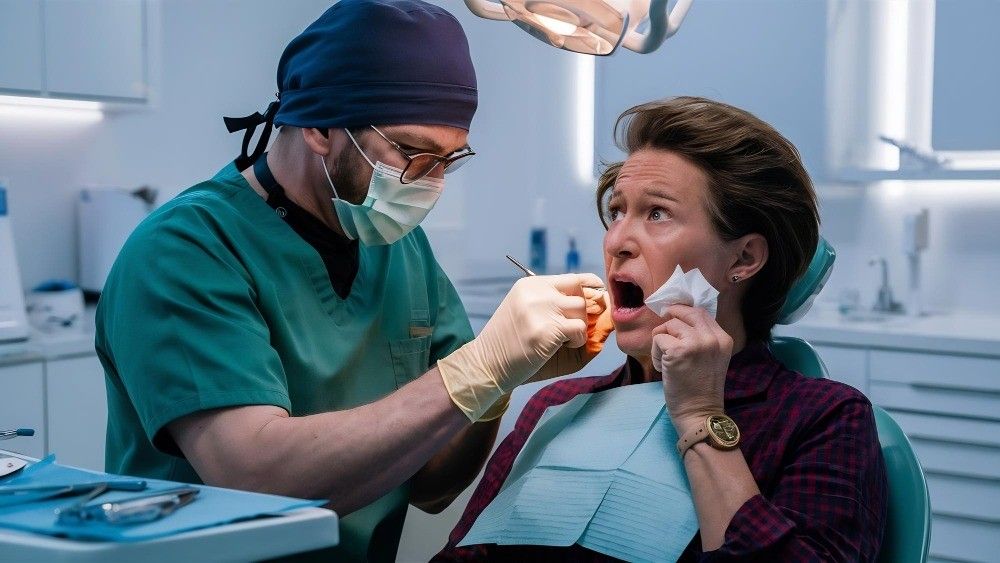
Once surgery becomes necessary, the next question is where to go.
Patients looking for dental oral surgery in Houston often want clarity more than anything else. They want to know what’s going on and why.
All Stars Dental provides dental oral surgery in Houston with detailed planning and straightforward communication. Our oral surgeon in the Houston clinic reviews imaging carefully and explains options without rushing the decision. Sedation choices are discussed in plain language so patients know exactly what to expect.
All Stars Dental’s oral surgery specialists use digital imaging to increase accuracy when performing wisdom tooth extraction, bone grafting, implant placement, and infection control.
Reviews frequently mention follow-up calls after procedures and clear explanations before treatment begins.
Here’s what our patients say:
Lilliana Gonzalez says, “I can’t recommend All Star Dental enough! Dr. Tran is super knowledgeable and explains everything in detail. If you have any questions or concerns, don’t hesitate to ask. I’ve been going there for over five years now, and Dr. Tran has always taken great care of me. Ms. Kristy at the front desk is also fantastic – from scheduling appointments to making sure I get the best care possible.”
Efrain Coronado shares, “Great experience here at All Stars Dental! They do excellent work and make sure you’re always getting the best care/results. Come check them out for all your dental needs. Huge shoutout to Samantha for helping me get my teeth clean and super white.”
Are There Risks of Dental Oral Surgery?
There is always some degree of risk involved in surgery. Being transparent about that builds trust.
Temporary swelling and mild bleeding are common. Short-term numbness can occur depending on the area treated. Infection remains possible if aftercare instructions are ignored.
Complications stay uncommon when trained professionals perform the procedure, and patients follow guidance carefully. Professional organizations such as the American Association of Oral and Maxillofacial Surgeons publish safety standards that guide current surgical practice.
How Does Dental Oral Surgery Compare to Other Options?
Some situations offer alternatives. Others do not.
A root canal can save a tooth if the structure remains stable. If the tooth collapses or infection spreads too far, extraction becomes safer. A dental bridge replaces a missing tooth but does not prevent bone shrinkage. An implant stimulates the jaw and helps maintain bone density over time.
The best choice depends on structure, long-term stability, and overall oral health.
When Should Someone Stop Waiting?
Recurring swelling rarely resolves permanently without treatment. Impacted wisdom teeth do not straighten themselves. Bone loss does not go away on its own.
Dental oral surgery addresses the underlying issue rather than masking symptoms. Early evaluation often means simpler treatment and smoother recovery.
Houston residents experiencing ongoing discomfort can schedule a consultation with an oral surgeon in Houston with All Stars Dental to review imaging and discuss next steps clearly.
FAQs About Dental Oral Surgery
What is dental oral surgery used for?
Dental oral surgery treats structural problems inside the mouth and jaw, including impacted teeth, advanced infection, bone damage, and teeth that cannot be restored with routine care.
Is dental oral surgery very painful?
Anesthesia prevents pain during the procedure. Most patients experience manageable soreness afterward rather than severe discomfort.
How long does healing after dental oral surgery usually take?
Minor procedures may require only several days of recovery. Implant placement and bone grafting take longer because bone needs time to integrate properly.
Is a consultation required before scheduling dental surgery?
Yes. A consultation allows imaging, medical review, and a detailed discussion with an oral surgeon in Houston before any procedure is planned.