
Hidden Foods That Quietly Damage Your Teeth Over Time
You brush every morning. You floss (most nights). You do all the right things. But your dentist keeps finding new cavities, or your teeth feel more sensitive than they used to. What is going on?
The answer might be sitting on your kitchen counter or in your lunchbox. Some foods that damage teeth are obvious offenders, like candy. But many of the worst culprits are foods people eat every day without thinking twice about the damage they are quietly causing.
Let us take a close look at what is really going on in your diet and how it affects your teeth.
How Food Damages Your Teeth
Before getting into the specific foods, it helps to understand the two main ways food causes damage.

Acid Erosion
Acidic foods and tooth enamel do not mix well. Acid weakens and dissolves enamel, which is the hard outer layer that protects your teeth. Once enamel is gone, it does not grow back. This is called enamel erosion, and it leads to sensitivity, discoloration, and a higher risk of decay.
Sugar-feeding Bacteria
The bacteria in your mouth feed on sugar. When they digest it, they produce acid as a byproduct. That acid then sits on your teeth and eats away at the enamel. So sugar causes damage through a two-step process, and the effects are ongoing.
Now, here is where it gets interesting. A lot of the foods causing this damage do not even taste that sugary or acidic.
The Sneaky Offenders: Foods That Damage Teeth
Granola and Granola Bars
These seem like healthy snacks, but most granola bars are packed with added sugar. They are also sticky, which means they cling to your teeth long after you have finished eating. Sugar hidden in foods like granola stays in contact with your enamel for extended periods, giving bacteria plenty of time to do damage.
Fruit Juice
Even 100% natural fruit juice is highly acidic and loaded with natural sugars. Without the fiber of whole fruit to slow things down, juice hits your teeth fast and hard. Drinking it throughout the day is one of the most common causes of chronic dental erosion.
Dried Fruit
Raisins, apricots, dates, and similar snacks seem like a wholesome choice. But drying fruit concentrates its sugar content and removes the water that would otherwise help rinse your mouth. Dried fruit is also sticky and tends to wedge into the gaps between teeth, which is exactly where decay loves to start.
Sports Drinks and Energy drinks
These drinks contain high amounts of both sugar and acid. A lot of people turn to them during workouts or for an afternoon boost, not realizing how much damage the combination of sugar and acid does to enamel over time.
White Bread and Crackers
Starchy foods break down into simple sugars in your mouth almost immediately. White bread and crackers can form a sticky paste that coats your teeth and gets trapped between them. They are one of the more surprising snacks bad for teeth.
Vinegar-based Foods
Pickles, salad dressings, and many condiments are made with vinegar, which is acidic. If you eat these regularly, the acid builds up exposure over time.
Citrus Fruits
Oranges, lemons, and grapefruits are healthy in many ways, but they are also highly acidic. Eating them in large amounts or sipping lemon water throughout the day exposes your teeth to steady acid, which erodes enamel gradually.
Hidden Sugar Dental Damage and How It Adds Up
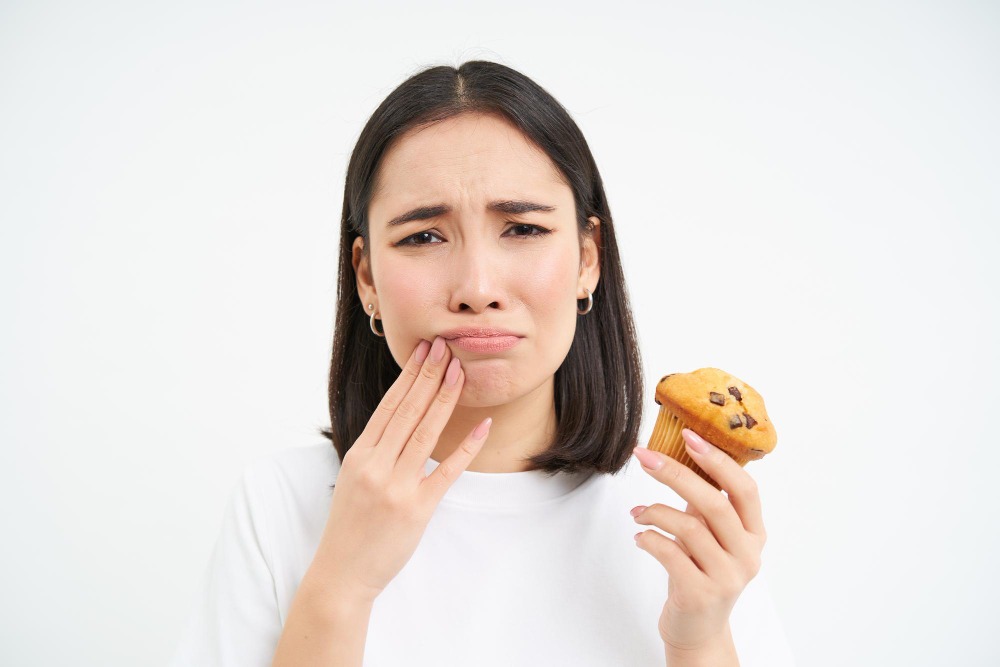
Hidden sugar dental damage happens because sugar shows up in foods we do not associate with sweets. Flavored yogurt, bottled smoothies, ketchup, canned soups, and even some types of bread contain significant amounts of added sugar.
When you eat these foods multiple times a day, your mouth is almost never in a neutral state. The bacteria in your mouth keep producing acid, and your enamel keeps taking hits. This is how diet and tooth decay develop even in people who think they eat relatively well.
Reading ingredient labels is a good habit to build. Look for words like sucrose, glucose, fructose, corn syrup, and maltose. These are all forms of sugar, and they all feed the bacteria in your mouth.
Smart Swaps That Help Your Teeth
You do not have to overhaul your entire diet. A few smart changes go a long way.
- Swap juice for whole fruit
- Choose plain yogurt and add your own fruit instead of buying flavored varieties
- Rinse your mouth with water after eating acidic or sugary foods
- Chew sugar-free gum after meals to stimulate saliva, which naturally neutralizes acid
- Wait 30 minutes after eating before brushing, especially after acidic foods, so you are not brushing weakened enamel
- Drink through a straw when having acidic drinks to reduce contact with teeth
The Bottom Line
The biggest cause of chronic dental erosion often is not candy or soda. It is the everyday foods we eat without thinking about the impact.
Foods that damage teeth and hidden sugar’s dental damage work slowly and quietly, and the effects build up over time.
Making small, informed choices about what you eat and when you eat it can protect your teeth for years to come. Your enamel is irreplaceable, and your daily diet is one of the most powerful things affecting it.
At All Stars Dental, your trusted dental clinic in Houston, we help patients understand how lifestyle and diet affect their teeth, offering thorough checkups and personalized guidance so your smile stays strong for the long haul.
Frequently Asked Questions
Does drinking coffee damage teeth?
Coffee is mildly acidic and can contribute to enamel erosion over time, especially if you sip it slowly throughout the morning. It also stains enamel. Drinking coffee in one sitting rather than throughout the day limits exposure. Adding milk can reduce acidity slightly. Rinsing with water after drinking coffee is a simple and effective habit.
Are natural sugars in fruit as harmful as added sugars?
Whole fruits contain natural sugars, but they also come with fiber, water, and nutrients that slow sugar absorption and help rinse the mouth. Dried fruit and fruit juice concentrate those sugars without the protective fiber, making them harder on teeth. Eating whole fruit is a much better option for your teeth than juice or dried alternatives.
How does saliva protect teeth from dietary acids?
Saliva neutralizes acids in the mouth and helps remineralize enamel after mild acid exposure. It acts as a natural buffer. People who have dry mouth, either from medications or other causes, are at higher risk of enamel erosion and decay because this protection is reduced. Staying well hydrated and chewing sugar-free gum helps stimulate saliva production.