
Step-by-Step Recovery after a Dental Bridge: Tips from Houston’s Dentist
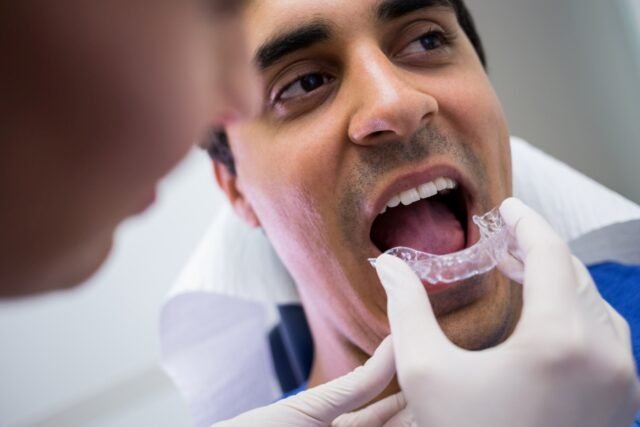
Just got a dental bridge in Houston? Your mouth might feel a little weird or uncomfortable right now. Don’t worry, as this is completely normal. A dental bridge helps replace missing teeth, so your mouth is adjusting to something new.
Read this simple guide to what happens after you get your dental bridges done and how you can take care of yourself.
Your First Day after Getting the Bridge
Your mouth will feel different for the first day. Maybe it’s a little sore, or your tongue keeps touching the new bridge. This happens to almost everyone who gets a dental bridge in Houston.
Your gums might be a bit swollen, and that’s normal. Swelling usually goes down in a few days. If you see a tiny bit of blood when brushing, don’t panic, as it is common on the first day or two.
Take it slow. Avoid chewing hard or sticky foods. Take some time for your mouth to adjust to the new bridge.
What You Should Eat (And What You Shouldn’t)
Eating soft foods is important in the first few days. Think baby food soft. Some good options are:
- Soup (not too hot)
- Mashed potatoes
- Scrambled eggs
- Ice cream
- Smoothies
Avoid crunchy foods like chips, nuts, or hard candy. Sticky foods like caramel or chewing gum can pull on your dental bridge in Houston and cause problems. Your bridge needs time to settle in and adjust.
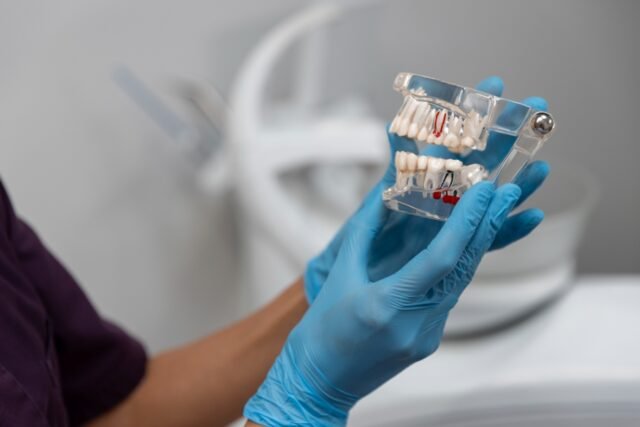
How to Deal with Pain
Some soreness or mild pain is normal. Over-the-counter pain medicine like Advil or Tylenol usually works well. Follow the directions on the bottle carefully.
Everyone feels pain differently. If it really hurts or doesn’t get better after a couple of days, call your dentist. Most people feel fine after taking regular pain medicine and resting a little.
Keeping Your Bridge Clean
Even with a new dental bridge in Houston, brushing is still very important. Use a soft toothbrush and gentle motions, and be careful around the bridge area.
Rinsing with warm salt water twice a day can help your mouth heal faster and keep germs away. Try this: Put a pinch of salt in warm water and gently swish.
Flossing needs to be done differently now. Your dentist will show you how to clean under the bridge. It’s a little like threading a needle, but easy once you practice.
When Something Feels Wrong
Most people heal without issues, but call your dentist if:
- Pain gets worse after day three
- You develop a fever
- The bridge feels loose or wobbly
- You’re bleeding a lot
Trust your instincts. If something feels off, don’t wait to call your dentist in Houston.
Taking Care of Your Bridge for the Long Term
A dental bridge in Houston can last 15 years or more with proper care. Brush and floss every day. Visit your dentist for cleanings twice a year.
Avoid using your teeth like tools. Don’t open bottles or crack nuts with your bridge.
Most people get used to their bridge in about two weeks.
It feels exactly like your natural teeth after that. You won’t even notice it!
FAQs
1. How long does it take to recover after getting a dental bridge?
Most people start feeling normal within a few days, and full adjustment usually takes about 1 to 2 weeks. Mild soreness and sensitivity are common at first.
2. Can I eat normally after getting a dental bridge?
You should stick to soft foods for the first few days. Once your mouth adjusts and discomfort goes away, you can gradually return to your normal diet.
3. Is it normal for a dental bridge to feel uncomfortable at first?
Yes, it’s completely normal. Your mouth needs time to adjust to the new bridge. The feeling usually improves within a few days.
4. How do I clean under a dental bridge?
You need special floss or a floss threader to clean under the bridge. Your dentist will show you the proper technique to keep the area free from plaque and food.
5. When should I call my dentist after getting a dental bridge?
You should contact your dentist if you experience severe pain, swelling that doesn’t improve, bleeding, or if the bridge feels loose or uncomfortable after a few days.