
What Happens If You Delay Dental Treatment Too Long
It starts small. A little sensitivity when you drink something cold. A tooth that aches for a day and then seems fine. You tell yourself you will call the dentist next week, but next week turns into next month, and then six months go by.
Sound familiar? You are not alone. Many people put off dental visits for all kinds of reasons: cost, fear, a packed schedule, or simply hoping the problem will go away on its own.
But here is the truth about delayed dental care risks: dental problems almost never get better on their own.
They get worse. And the longer you wait, the harder and more expensive they become to fix.

What the Consequences of Delaying Dental Treatment Actually Look Like
Most dental issues start small. A cavity is just a tiny spot of decay at first. Gum disease begins as mild inflammation.
These problems are easy to treat in their early stages. But when left alone, they grow into something much more serious.
Let us walk through what actually happens when you delay.
A Small Cavity Becomes a Big Problem
Untreated cavity problems tend to follow a predictable path. In the beginning, a cavity only affects the outer layer of your tooth, called the enamel. A simple filling takes care of it quickly and inexpensively.
But if you wait, the decay moves deeper. It reaches the inner layer of your tooth, called the dentin. Now the tooth is more sensitive, and the filling needs to be larger.
Keep waiting, and the decay reaches the pulp, which is the soft tissue at the center of the tooth. This is where nerves and blood vessels live. At this point, you often need a root canal.
Delaying a root canal can lead to the infection spreading even further, putting the entire tooth at risk.
If the tooth is not treated at all, it may need to be extracted entirely.
What started as a 20-minute filling appointment can become an extraction followed by an implant or bridge. That is a much longer process and a much higher cost.
Gum Disease Does Not Stand Still
Gum disease progression moves in stages. The earliest stage, called gingivitis, causes red, swollen gums that bleed when you brush. At this point, a professional cleaning and better brushing habits are usually enough to reverse it.
But if gingivitis is left untreated, it advances into periodontitis. The infection goes below the gumline and starts attacking the bone that holds your teeth in place. Teeth loosen. Gaps form between your gums and teeth where bacteria can hide and cause further damage.
Advanced gum disease is one of the leading causes of tooth loss in adults. And it does not just stay in your mouth.
Advanced Tooth Decay and the Risk of Oral Infection
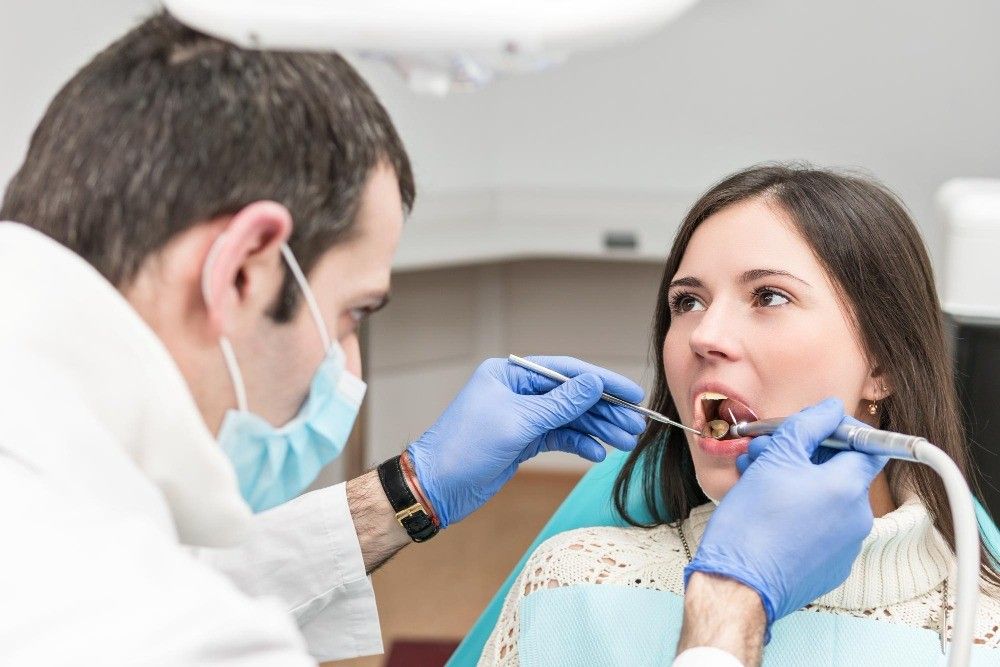
Advanced tooth decay creates an environment where bacteria thrive. When decay reaches the root of a tooth or spreads into surrounding tissue, it can form an abscess.
An abscess is a pocket of infection that causes severe pain, swelling, and sometimes fever.
Here is what worries dentists most: an oral infection spread is not always contained to one spot.
The infection can travel through your bloodstream and reach other parts of your body, including your heart and brain in rare but serious cases. This is a real medical emergency.
Waiting until something becomes this severe is always more painful, more complicated, and far more costly than catching it early.
The Real Cost of Delayed Dental Treatment
People often delay dental care because of cost. It makes sense to want to save money. But the cost of delayed dental treatment is almost always higher than the cost of early treatment.
Consider this:
- A filling typically costs a fraction of what a root canal costs
- A root canal costs significantly less than an extraction plus a dental implant
- Treating early gum disease is far less involved than treating bone loss
Waiting does not save money. It just shifts the expense to a bigger bill later.
Dental Neglect Effects Go Beyond Your Teeth
The risks of skipping dentist visits affect more than just your oral health. Missing teeth change the way you chew, which can affect your diet and nutrition.
They change the shape of your face over time as bone in the jaw begins to shrink. They affect how you speak and how confident you feel when you smile.
Dental neglect effects can chip away at self-esteem quietly. People start covering their mouths when they laugh. They avoid certain foods. They feel embarrassed in social or professional settings.
These effects are real, and they matter.
It Is Never Too Late to Come Back
If you have been avoiding the dentist for a long time, that is okay. Many individuals experience embarrassment about the condition of their teeth or fear of judgment. A good dental team never makes you feel that way.
What matters is that you come in now. Whatever situation your teeth are in, there are options to improve it. Starting somewhere is always better than waiting another six months.
Schedule a checkup, assess your current situation, and proceed gradually.
Conclusion: Do Not Let Small Problems Become Big Ones
Delayed dental care risks are real, and they grow over time. A tiny cavity can become a root canal. Mild gum disease can become bone loss. A small ache can become a serious infection.
The consequences of delaying dental treatment are almost always preventable. Catching problems early keeps treatment simple, quick, and affordable.
At All Stars Dental in Houston, Dr. Tran and his caring team welcome patients who have been away for a while, offering judgment-free, comfortable care to help you get back on track.
Frequently Asked Questions
How long is too long to go without a dental checkup?
Most dentists recommend visiting at least once every six months. If you have existing dental issues, you may need to go more often. Going longer than a year without a checkup significantly increases the chance of undetected decay, gum disease, or other problems that could have been caught and treated early with a routine visit.
Can a tooth heal itself without treatment?
Teeth cannot repair decay on their own. Once a cavity forms, it will continue to grow without treatment. The enamel and dentin do not regenerate like other tissues in the body. Only a dentist can stop and remove the decay and restore the tooth. Some very early enamel damage can be slowed with fluoride, but actual cavities require professional treatment.
What should I do if I have dental anxiety that keeps me from going?
You are not alone. Dental anxiety is very common. Letting the dental office know ahead of your appointment gives them the chance to help you feel more comfortable. Many practices offer options like numbing gel, gentle pacing, and open communication throughout the visit. Finding a dentist you trust and starting with a simple checkup can make the experience much less intimidating over time.