
How Stress Impacts Your Oral Health and Jaw
Life gets busy. Work piles up. You stop sleeping well. Your shoulders feel tight. But here is something most people do not think about: stress and oral health are closely connected.
A large population study found that individuals with higher perceived stress also reported significantly poorer oral health and more frequent oral pain, underscoring how stress can directly affect the health of your teeth and gums
Your mouth actually takes a hit when your stress levels rise, and many people do not realize it until the damage is already done.
This blog walks you through what stress does to your teeth and jaw, why it happens, and what you can do about it.
Why Your Mouth Feels the Weight of Stress

When you are stressed, your body goes into a kind of survival mode. It releases hormones like cortisol that keep you alert and tense. That tension does not just sit in your shoulders or your chest. It travels to your jaw.
Many people clench their teeth without noticing. You might do it while driving, during a tough meeting, or even in your sleep. Over time, this habit puts serious strain on your jaw muscles and your teeth.
Stress and oral health problems often show up quietly, which is why so many people are caught off guard when a dentist points them out.
Bruxism: When Stress Turns Into Teeth Grinding
Bruxism is the clinical term for grinding or clenching your teeth. Bruxism and stress go hand in hand. Most people who grind their teeth do it at night, so they wake up with a sore jaw or a dull headache without knowing why.
Here is what bruxism can do to your teeth:
- Wear down your enamel over time
- Cause small cracks in your teeth
- Make your teeth more sensitive to hot and cold
- Lead to chipping or flattening of the biting surfaces
Many people live with this for years before connecting it to stress. If you wake up with jaw soreness or your partner has mentioned that you grind your teeth at night, bruxism might be the reason.
How Jaw Pain from Stress Connects to TMJ Disorder
Jaw pain from stress is one of the most common complaints dentists hear, and it often points to something called TMJ disorder (or TMD). The temporomandibular joint (TMJ) is the joint that connects your jaw to your skull. Think of it like a hinge. When you clench or grind, you overwork that joint. This is the reason why headache is often linked with TMD.
TMJ disorder symptoms can include:
- Pain or soreness in the jaw
- Clicking or popping sounds when you open your mouth
- Difficulty chewing
- Tension headaches that feel like they start near your ears or temples
- Neck and shoulder pain
TMJ disorder symptoms can feel a lot like other health issues, which is why people sometimes go months without getting the right diagnosis. If you notice any of these signs, it is worth telling your dentist.
Stress-Induced Jaw Clenching and What It Does Long-Term
Stress-induced jaw clenching is more common than most people think. It often happens without any awareness. You might clench while you are concentrating, frustrated, or anxious. Some people clench their teeth so hard that they develop flattened molars or even fracture a tooth.
The longer the problem goes on, the harder it becomes to treat. Mild tension can turn into chronic jaw dysfunction from stress, which takes more time and effort to manage.
The good news is that catching it early makes a real difference.
The Link Between Oral Health and Anxiety
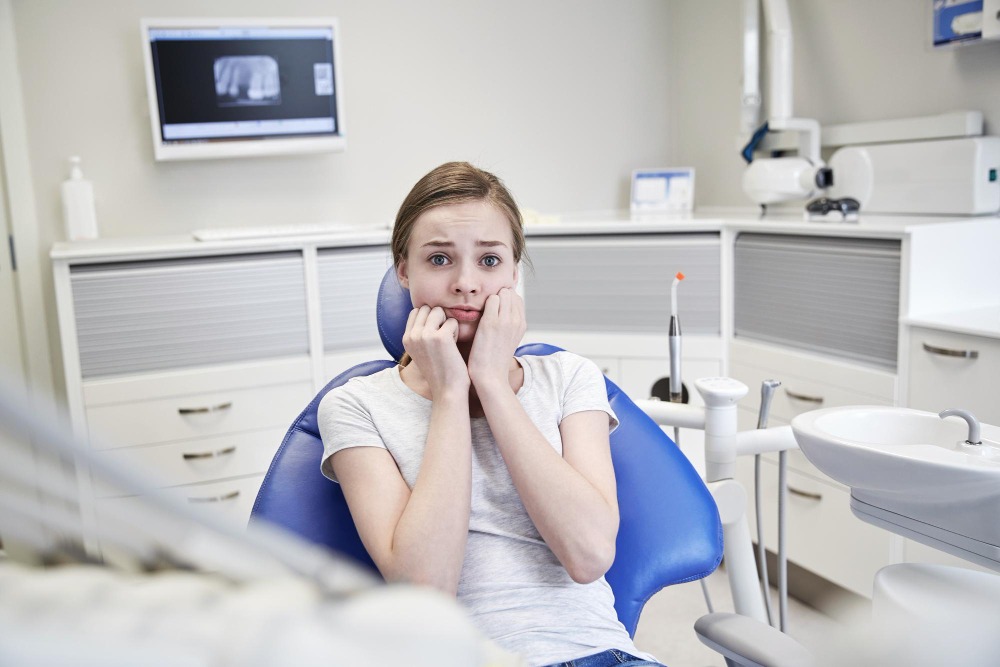
Oral health and anxiety are connected in another way too. People who deal with anxiety often skip dental appointments because the thought of sitting in a dental chair feels overwhelming. But avoiding the dentist means stress-related damage goes undetected and untreated.
There is also a feedback loop at play. Jaw pain and toothaches caused by grinding can increase stress and anxiety levels, which leads to more clenching. It is a cycle that keeps feeding itself.
What You Can Do Right Now
You do not have to just live with jaw pain or damaged teeth. Here are some practical steps that actually help:
Check in with your jaw during the day
Set a reminder on your phone every couple of hours. When it goes off, relax your jaw. Your teeth should not be touching unless you are chewing or speaking.
Try stress-reduction habits
Exercise, deep breathing, and better sleep all lower cortisol levels. Less cortisol often means less clenching.
Talk to your dentist
A dentist can spot signs of grinding or TMJ strain during a routine exam. If needed, they can fit you with a night guard, a custom device you wear while sleeping that protects your teeth from grinding.
Avoid chewing gum or hard foods when your jaw is sore
Chewing items adds extra stress to a joint that is already overworked.
Stress and Dental Problems: When to See a Professional
If you have been dealing with jaw pain or frequent headaches, or you notice your teeth look flatter or more worn than usual, do not wait. Stress and dental problems do not fix themselves. The sooner you get checked out, the simpler the solution tends to be.
A dentist can identify whether you have bruxism, early signs of TMJ disorder, or enamel wear from grinding. From there, they can help you build a plan to protect your teeth and ease your jaw.
Conclusion: Protect Your Smile by Managing Stress
Stress and oral health are more connected than most people realize. From grinding and clenching to jaw pain and worn teeth, stress leaves a clear mark on your mouth.
The good news is that these issues are very manageable when you catch them early and get the right support.
Paying attention to your jaw is just as important as paying attention to any other part of your health. Your teeth and jaw deserve care too.
If you are dealing with jaw pain, grinding, or stress-related dental concerns in Houston, All Stars Dental on Waugh Drive offers compassionate, expert care. Dr. Tran and his team are ready to help you find relief and protect your smile.
Frequently Asked Questions
Can stress cause mouth sores?
Yes. High stress levels can weaken your immune system, which makes you more prone to canker sores and cold sores around the mouth. These are not dangerous, but they can be painful and uncomfortable. Reducing stress and staying hydrated can help them heal faster and come back less often.
Does stress affect gum health?
It can. Elevated cortisol from chronic stress can reduce your body’s ability to fight off bacteria in the mouth, which increases the risk of gum inflammation and infection. People under long-term stress are more likely to develop or worsen gum disease, especially if their oral hygiene routine suffers during that period.
Can a night guard fully prevent jaw damage from grinding?
A night guard is very effective at protecting your teeth from grinding damage while you sleep. It creates a barrier between your upper and lower teeth, reducing wear and easing pressure on the jaw joint. However, it manages the symptom rather than the cause, so combining it with stress reduction gives you the best long-term outcome.