
TMD Pain Treatment in Houston: What You Need to Know
Temporomandibular Joint Disorder (TMD) affects millions of people, causing pain and discomfort in the jaw, face, and neck. A study analyzing data from 2017–2018 found that about 4.8% of U.S. adults, or roughly 11.2 to 12.4 million people, experienced pain around the temporomandibular joint, which may be linked to TMD.
For those who do not know, the temporomandibular joint (TMJ) is a pain on both sides of the head that is connecting with the jaw to the skull. When the TMJ becomes dysfunctional, it can lead to TMD, causing pain and restricting jaw movement.
Living with TMD can be difficult, but the right treatment can help manage symptoms and improve your quality of life. For those living in Houston, there are several options available for TMD pain treatment in Houston.
Understanding TMD: Causes and Symptoms

TMD can occur due to various reasons, including injury to the jaw, arthritis, teeth grinding (bruxism), and stress. In some cases, no specific cause can be pinpointed, but the disorder is often linked to tension in the jaw muscles or problems with the joint itself.
Common symptoms of TMD include:
- Pain or tenderness in the jaw
- Difficulty chewing
- Popping or clicking sounds in the jaw
- Locking of the jaw
- Headaches or neck pain
The intensity of the pain can range from mild discomfort to severe, and it can impact daily activities. Identifying the root cause is important for determining the most effective treatment.
Treatment Options for TMD in Houston
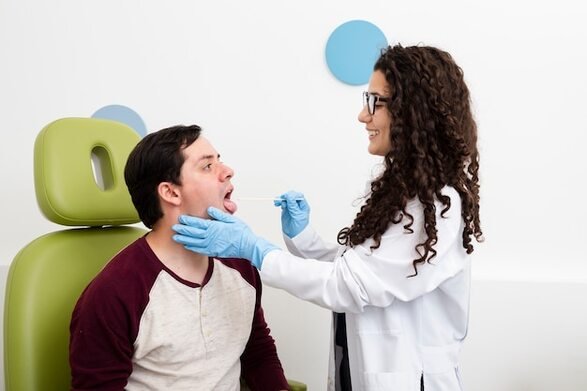
If you’re seeking TMD pain treatment in Houston, there are several treatment approaches depending on the severity of the symptoms. Most people start with conservative treatments before moving on to more advanced options if necessary. Below are the main types of TMD pain treatments.
1. Lifestyle Changes and Home Remedies
For many individuals, simple lifestyle changes can make a big difference in managing TMD pain. These remedies often involve reducing the strain on the jaw muscles and avoiding habits that contribute to the condition. Here are some self-care tips:
- Eat softer foods to avoid overworking the jaw
- Applying something cold, such as ice packs, to reduce swelling and pain
- Over-the-counter pain relievers
- Practice jaw relaxation exercises to release tension
2. Physical Therapy
Physical therapy is a common treatment for TMD. It involves stretching and strengthening the muscles around the jaw to improve joint function and reduce pain. A trained physical therapist in Houston can develop a customized plan based on your symptoms and needs. In many cases, therapy can prevent the condition from worsening and even promote long-term healing.
3. Oral Appliances (Mouthguards)
Mouthguards, also known as occlusal splints, are frequently used to manage TMD. These custom-made devices are worn over the teeth, usually at night, to prevent teeth grinding and clenching, which can aggravate TMD symptoms. The splint helps reduce pressure on the TMJ and allows the muscles to relax.
A Houston-based dentist specializing in TMD pain treatment in Houston can create a customized splint tailored to your needs. Many patients report a reduction in pain and an improvement in jaw function after consistent use.
4. Medications
Medications can be used to alleviate TMD symptoms, especially in cases where the pain is severe. Muscle relaxants, anti-inflammatory drugs, and even low doses of antidepressants are sometimes prescribed to relieve jaw pain and improve sleep. However, medications should not be viewed as a long-term solution.
5. Injections
In more advanced cases of TMD, where conservative treatments have not provided relief, some patients may benefit from injections. Corticosteroid injections are used to reduce inflammation and pain in the TMJ.
Botox injections have also gained popularity as a way to relax the jaw muscles and prevent teeth grinding, which is often a trigger for TMD.
Living with TMD: Managing Pain and Improving Quality of Life

Living with TMD can be challenging, but many people find relief with the right combination of treatments. Regular visits to a specialist in TMD pain treatment in Houston can help ensure that you are on the right track to recovery.
If you’re wondering, does TMD pain ever go away? The answer is that it depends on the individual and the severity of the condition. Some people experience temporary symptoms, while others may need long-term management. The good news is that with proper treatment, the majority of TMD patients can reduce their symptoms and enjoy a better quality of life.
If you’re struggling with jaw pain, clicking, or difficulty moving your jaw, it’s time to consider TMD pain treatment in Houston. Taking action early can prevent the condition from worsening and help you get back to living a more comfortable, pain-free life.