
Dental Myths That Are Damaging Your Teeth without You Knowing
The internet is full of dental advice. Some of it is helpful. But a lot of it is wrong, and some of it is actually making your teeth worse.
Dental myths busted is not just a fun exercise. It matters because people are making real decisions about their oral health based on information that does not hold up. And those decisions have consequences.
Let us go through the most common harmful dental misconceptions and set the record straight, once and for all.
Dental Myths Busted: The Ones People Believe Most
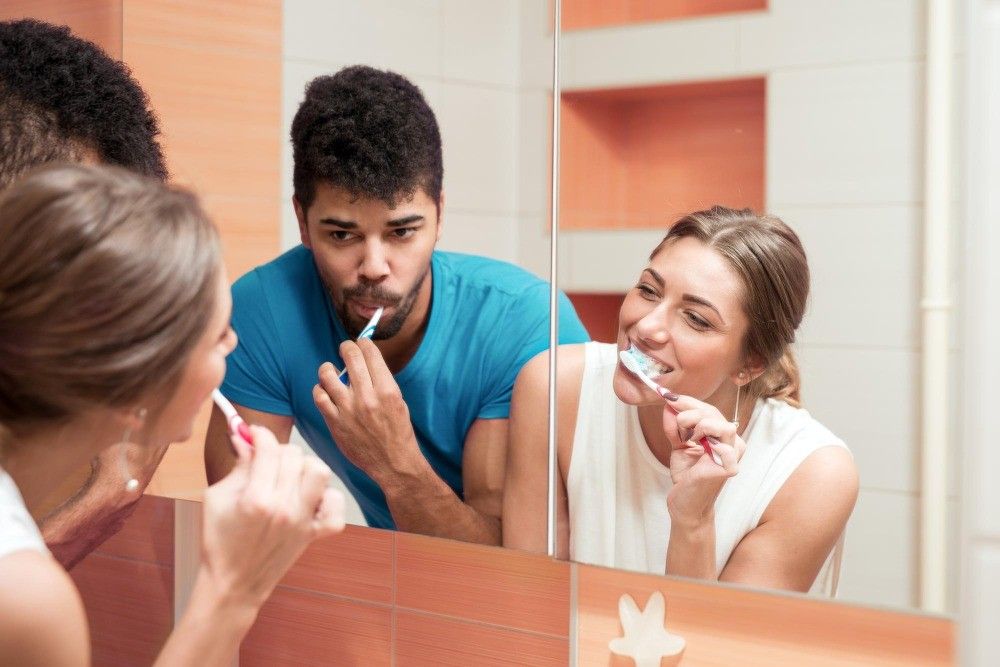
MYTH 1: Harder brushing means cleaner teeth
Fact: Brushing harder does not clean your teeth better. It actually does the opposite.
Aggressive brushing wears down your enamel over time and can push your gums back from your teeth, a process called gum recession. Once your gums recede, the roots of your teeth become exposed, making them sensitive and more vulnerable to decay.
The truth about dental hygiene is that gentle, consistent brushing with a soft-bristled toothbrush is far more effective and safer than scrubbing hard. Use small circular motions and take your time. Two minutes, twice a day, done gently, beats two minutes of intense scrubbing every time.
MYTH 2: You only need to go to the dentist when something hurts
Fact: Most dental problems do not hurt until they are already serious.
Cavities, gum disease, and even early-stage oral cancer often develop without any pain at all. By the time something hurts, you are usually looking at a more complex and costly treatment.
Regular checkups catch problems when they are small and easy to treat. Waiting for pain is one of the most common misleading oral care beliefs people hold, and it leads to a lot of preventable dental emergencies.
MYTH 3: Flossing is optional
Fact: Flossing reaches areas your toothbrush simply cannot.
Flossing myths often suggest that if you brush well, you do not need to floss. But your toothbrush only cleans the surfaces of your teeth, not the spaces between them. That is where food particles and bacteria build up and where decay and gum disease frequently start.
Flossing myths aside, daily flossing is one of the most effective ways to prevent gum disease and cavities between teeth. It does not have to take long; just a minute or two each day makes a real difference.
MYTH 4: Baby teeth do not matter because they fall out anyway
Fact: Baby teeth play a critical role in a child’s development.
They hold space in the jaw for adult teeth to grow into the right positions. If baby teeth are lost too early due to untreated decay, it can cause the surrounding teeth to shift, leading to crowding and alignment problems that may require orthodontic treatment later.
Taking care of baby teeth also sets up good habits early. Kids who learn to care for their teeth young carry those habits into adulthood.
MYTH 5: Whitening damages your enamel
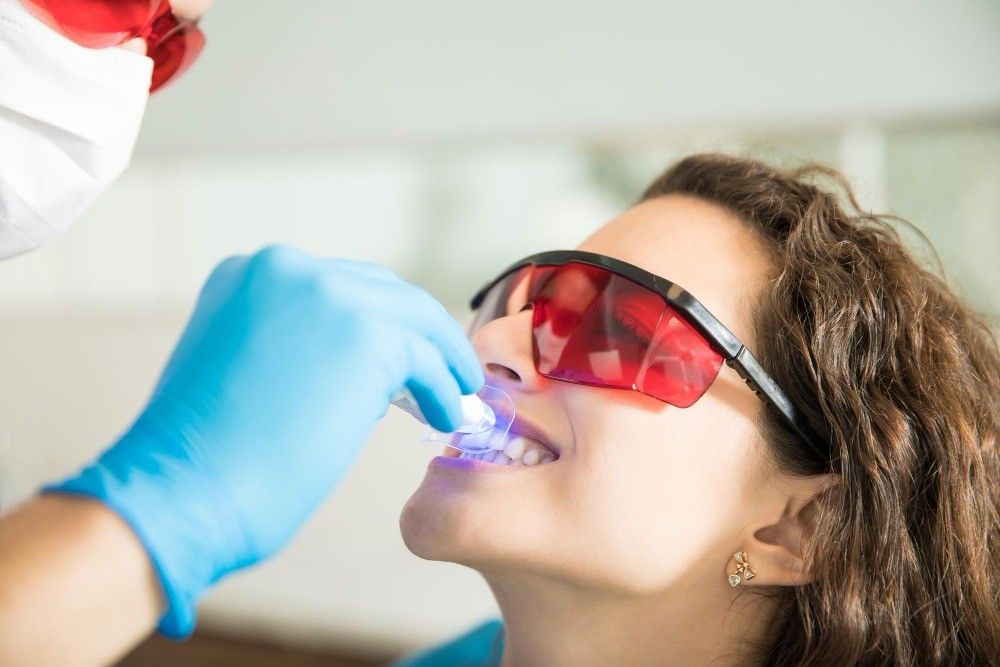
Fact: Professional teeth whitening, done correctly, is safe for enamel.
This is one of the more common false teeth health tips circulating online. Some people avoid professional whitening because they believe it thins or weakens their enamel. But professional whitening treatments use carefully controlled concentrations that work on surface stains without harming enamel.
The issue arises when people overuse whitening products at home or use products not designed for teeth. Following professional guidance and not going overboard keeps whitening safe and effective.
MYTH 6: Sugar is the only thing that causes cavities
Fact: Acid causes cavities, and many foods produce acid without tasting sweet.
Acidic foods and drinks, starchy foods that break down into sugar quickly, and even diet sodas all contribute to decay. The bacteria in your mouth produce acid as they metabolize carbohydrates of all kinds, not just sugar. This is why diet drinks, crackers, and bread can still lead to cavities even though they do not taste particularly sweet.
Understanding the toothpaste truth and food truth means looking at your whole diet, not just your candy intake.
MYTH 7: DIY dental treatments can fix real problems
Fact: DIY dental treatment dangers are very real.
Social media is full of videos showing people filing their own teeth, using household items to close gaps, or pulling out loose teeth at home.
These actions can cause serious damage, including cracked roots, infections, and permanent nerve damage.
Home remedies can sometimes help manage mild discomfort temporarily, but they are not a replacement for professional care.
When something is wrong with a tooth or gum, a dentist needs to diagnose and treat it properly.
Why Harmful Dental Misconceptions Spread So Easily
Most harmful dental misconceptions spread because they sound logical or they promise an easy fix. Brushing harder feels like it should work better. Skipping the dentist saves time and money. DIY fixes feel empowering.
But teeth are complex structures. Enamel does not grow back. Infections spread. Gum recession is permanent. The cost of following bad advice is often higher than the cost of simply doing things right from the beginning.
Dentist advice vs. myth always favors the dentist, and for good reason. Your dental team sees the results of these myths every single day.
Conclusion: Trust the Facts, Not the Feed
Dental myths busted can feel surprising, especially when the myths have been repeated so many times they seem true. But your oral health is worth getting right.
The truth about dental hygiene is that it is not complicated. Brush gently, floss daily, skip the DIY shortcuts, and see your dentist regularly. That simple routine, done consistently, does more for your teeth than any viral hack ever will.
Do not let harmful dental misconceptions cost you your smile. Trust the professionals, get the facts, and take care of your teeth the right way.
All Stars Dental in Houston, led by Dr. Tran, provides honest, evidence-based dental care in a welcoming environment where your questions are always welcome and your smile always comes first.
Frequently Asked Questions
Is it true that enamel can grow back with certain toothpastes?
Enamel cannot regenerate once it is lost. However, some toothpastes containing fluoride or hydroxyapatite can help remineralize very early, surface-level enamel damage before it progresses. They strengthen and harden the enamel that is still there. They do not regrow lost enamel, but they do help protect and reinforce what remains when used consistently.
Does oil pulling actually improve oral health?
Oil pulling, which involves swishing oil around your mouth for several minutes, has some limited evidence suggesting it can reduce certain bacteria. However, it is not a replacement for brushing, flossing, or professional cleanings. It should be seen as an optional addition at best, not a substitute for proven oral hygiene practices that your dentist recommends.
Can you brush your teeth too many times a day?
Yes. Brushing more than three times a day, especially with a hard-bristled brush or too much pressure, can wear down enamel and irritate gums over time. Twice a day with a soft brush and fluoride toothpaste is the standard recommendation. If you feel the need to freshen up between meals, rinsing with water or using sugar-free gum is a gentler option.